Atlantic hurricane season runs roughly from June through November. While some travelers may consider the possibility of bad weather as a deterrent to booking a Caribbean vacation, savvy travel advisors and industry insiders view it as a call to plan intelligently and educate clients.
Concern about weather-related travel disruptions is real. According to a 2026 research study conducted by Sensible Weather — a company offering “weather guarantees” in partnership with hotels — bad weather outranks flight disruptions and safety as a top booking concern.
That still doesn’t mean that the Caribbean is a hard sell, according to Meg Kinnerk, founder and luxury travel advisor at Traveluxe in Chicago.
“It doesn’t stop me from selling the Caribbean, but it changes how I position it,” she said, noting the appeal of off-peak pricing during the season. “I’m more intentional about destination selection, set expectations upfront and focus on flexibility. The value during this time is strong, so it becomes about pairing the right client with the right place and timing, not avoiding the region altogether.”
Lindsay Pearlman, president of Travel Leaders Network, makes a similar point, noting the value of booking with a travel advisor.
“Hurricane season is a significant portion of the year, so Caribbean travel is still happening,” he said. “But this is where I get worried for people who aren’t working with an advisor. They’re not getting the expertise, inside view and protection.”
Educating Clients
As with travel at any time of year, education is key to ensuring that clients make wise decisions during the planning stage.
Traveluxe’s Kinnerk says many clients have an oversimplified view of hurricane season.
“Most clients are aware at a surface level, but they don’t understand how nuanced it is,” she said. “They tend to think it’s either completely unsafe or no big deal. My role is to set expectations and educate them on the realities. It’s less about alarming them and more about helping them make a smart, informed decision.”
Jackie Friedman, president of Nexion Travel Group, part of Internova Travel Group, describes a similar awareness gap.
“Some clients are more aware, and some may not have traveled or been impacted before, so they’re blissfully unaware that such a thing exists,” she said. “It’s important that advisors have that conversation with their clients and point them to reputable sites if they want to learn more about it.”
Travel Leaders’ Pearlman agrees that client understanding of the hurricane season varies widely, adding that family travelers are among those most likely to travel during this season, which makes education crucial for this niche.
“For many travelers, hurricane season falls in line with summer, when children are off school,” he explained. “A family looking for a Caribbean summer break is going to have to feel comfortable with going during hurricane season.”
Providing Options
Kinnerk stresses the importance of offering clients options and alternatives for a Caribbean trip during the season.
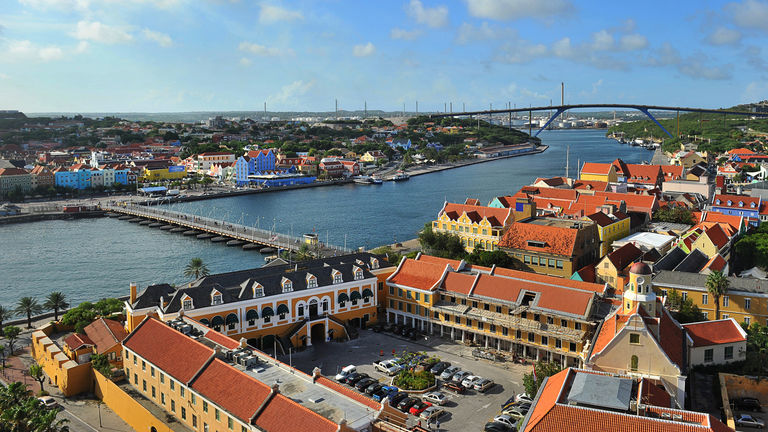 Curacao is outside the typical hurricane belt and is less likely to be impacted.
Credit: 2026 Curacao Tourist Board“I lean heavily toward the southern Caribbean, where hurricane impact is historically lower,” she said.
Nexion’s Friedman echoes that strategy, pointing to the “ABC islands” of Aruba, Bonaire and Curacao as destinations “outside the typical hurricane belt that are less likely to be impacted.”
Pearlman also cites Aruba, Bonaire and Curacao as popular options, while also cautioning against false certainty in other areas.
“The hardest part about hurricanes is that they typically never affect all of the Caribbean,” he said. “An island or two might sustain heavy damage, while others see nothing.”
Pearlman praises cruises as another viable option, noting that “if there is a storm in a port of call, it will be skipped for safety reasons, but you’re still having a great time onboard and getting to see other areas of the Caribbean.”
The Importance of Insurance and Relationships
Insurance is a good idea for travel at any time. During hurricane season, it’s even more important, according to multiple industry experts.
"It becomes non-negotiable,” Kinnerk said. “I position it simply: If you’re taking advantage of lower pricing during hurricane season, insurance is what protects that investment. It’s not presented as optional during this time. It’s part of the strategy.”
Pearlman is similarly direct.
“When it comes to the Caribbean in hurricane season, insurance is an absolute must,” he said. “Hurricanes seem to drive home the lesson that Mother Nature doesn’t listen to the travel industry, and it’s a risk — and a big one — to go without.”
Professional connections also play an important role in ensuring a smoother experience during hurricane season, according to Kinnerk.
“Supplier support matters more during hurricane season than any other time,” she said. “Strong partners communicate clearly, act quickly and have defined policies in place. Hurricane guarantees can help with client confidence, but I don’t rely on them alone. What matters more is clear rebooking or relocation policies, the operational track record during disruptions and my direct relationships with the supplier."
Friedman, meanwhile, notes that affiliation with a consortium or host agency can also help advisors stay on top of opportunities and challenges.
“At Internova, if there’s a major weather event or anything that could impact travel to a particular destination, they’re on top of it, preparing talking points and links to relevant sites, which we share with all our advisors, so they can arm themselves with accurate information and not just speculation,” she said. “Sometimes, we run searches in our database to see who may have a booking to that destination and make sure they’re aware those talking points exist.”
Pearlman praises supplier communication with the travel agency community.
“I think most of us sincerely wish that our partners could promise no hurricanes,” he said. “Of course, that simply isn’t possible. But partners in hurricane-prone areas are usually exceptional at communicating with the trade what infrastructure is open, safety measures to follow and what clients can expect. Sometimes Mother Nature pulls a fast one, and I have continually been impressed at how they care for their travelers, both current and future.”
